
Net-positive buildings
Fabric, heat pumps, healthy ventilation, vacuum glazing, solar, storage and Gateway Pro working as one, so a building can move from cost to contributor.
Retrofit evolution
Breathe builds on the strongest whole-home retrofit practice. We retain the focus on fabric, comfort, air quality and careful delivery, then add one coordinated energy layer, a living building record and transparent modelling of financial value.
The inevitable shift
Imagine homes that earn more than they cost to run. Families protected from price shocks. Communities where cold, damp homes become the exception. When proven fabric improvements meet frontier energy technology in one coordinated system, the question changes from "can we afford to do this?" to "how can we justify doing anything else?"
Fabric, heat pumps, healthy ventilation, vacuum glazing, solar, storage and Gateway Pro working as one, so a building can move from cost to contributor.
Our mission is to help eliminate most, if not all, fuel poverty in modern Britain by lowering demand and adding value from every connected building.
Built to support households and the most vulnerable communities, with zero upfront routes and help that never depends on buying a system.
Proven across the UK first, then shared as a deployable model for any country facing the same housing and energy challenges.
This is our mission and ambition. Outcomes for any building are modelled planning estimates until surveyed, installed and measured.
What came before
A published university test-house programme, delivered with an established UK building-products and retrofit contractor, brought fabric upgrades, airtightness, ventilation, solar and low-carbon heating together across homes representing three construction eras.
The programme reports that its 1920s test house improved from EPC D to A, while its 1970s and 2010s houses improved from EPC C to B. It also committed to two years of monitoring across energy efficiency, comfort and cost impacts.
That work moved the industry forward. Breathe starts from that progress, not from criticism of it.
Test houses representing 1920s, 1970s and 2010s construction.
Fabric, airtightness, ventilation, solar and low-carbon heating.
Monitoring intended to test energy, comfort and cost outcomes over time.
A decade of repeated lessons
For more than a decade, public evidence has returned to the same connected issues: fragmented assessment, measures installed in isolation, unclear responsibility at the interfaces, uneven skills, short funding cycles and weak learning after handover.
2014
Government-backed demonstration work treated planning, fabric, indoor air quality, services, site delivery and resident engagement as connected parts of one retrofit.
Read the source: Retrofit for the Future guide2016
The Each Home Counts review responded to poorly planned and executed work, unintended consequences and gaps in standards, skills, consumer protection and enforcement.
Read the source: Each Home Counts review2019 to 2025
Public reviews continued to identify short-term funding, limited impartial advice, skills shortages, inconsistent quality and weak oversight across the retrofit system.
Read the source: Domestic retrofit supply-chain report2025 to 2026
PAS 2035:2023 and current publicly funded schemes reinforce assessment, coordination, sequencing, competence, evidence and handover rather than isolated measures.
Read the source: PAS 2035:2023 overviewThis is a system-design problem, not a verdict on individual trades or earlier programmes.
The strongest projects helped expose what needed to change. Breathe brings those lessons into one accountable route.
The supplied project in context
Published by the programme
Not established by the published case
Not demonstrated does not mean unsuccessful. It defines the boundary of what the published material establishes.
The Breathe response
The next layer
Breathe treats the building as one connected system. The aim is not merely to add more technology. It is to make each measure easier to understand, operate, verify and improve over time.
Start with comfort, building fabric and healthy indoor air.
Connect heating, ventilation, solar, storage and Gateway Pro around real demand.
Use the GridSync twin and Property Passport from survey through operation.
Separate bill reduction, export income and flexibility value, with every boundary visible.
No estimate is saved on this device yet. Run the calculator to replace general examples with your own building information.
Run my numbersA professional comparison
Dimension
Established whole-home retrofit
The Breathe evolution
Established whole-home retrofit
Improve fabric, comfort and EPC performance through coordinated measures.
The Breathe evolution
Preserve those priorities, then coordinate heat, air, generation, storage and energy services around the building.
Established whole-home retrofit
Monitor test homes to understand energy, comfort and cost impacts over time.
The Breathe evolution
Keep supplier statements, planning estimates, survey evidence and measured performance visibly separate.
Established whole-home retrofit
Create the design and evidence needed for a defined retrofit programme.
The Breathe evolution
Maintain a GridSync 5D digital twin and Property Passport for design, handover, operation and future work.
Established whole-home retrofit
Focus primarily on energy performance, resident comfort and compliance outcomes.
The Breathe evolution
Model bill reduction, export income and flexibility value separately, without assuming every building reaches net positive.
One accountable profession
Those disciplines became safer and more dependable through defined responsibilities, competent people, records, commissioning and clear accountability. Whole-building energy work needs the same organising principle.
Breathe coordinates around statutory roles and regulated trades. It does not replace them.
Understand the property, people, condition, energy use and constraints together.
Sequence fabric, air, heat and power so one measure does not undermine another.
Keep statutory roles and regulated trades distinct, but working from the same record.
Record what was designed, fitted, tested, changed and handed over.
Compare planning assumptions with measured operation and maintain the building over time.
Insulation and airtightness alter temperatures, drying and condensation risk.
Reducing uncontrolled leakage must be paired with designed, commissioned ventilation.
Heating equipment follows room demand, emitters, hot water and control strategy.
Solar, batteries, heat pumps and EV charging share electrical limits and connection requirements.
Hardware only works as intended when settings, tariffs and operating priorities agree.
Resident needs, access, disruption, communication and future stages belong in the design.
Obligations and standards
The exact route depends on the nation, building type, funding scheme, work scope and date. Before design, Breathe identifies which requirements apply and keeps their evidence together.
For applicable domestic retrofit, PAS 2035 sets a whole-dwelling process with assessment, design, risk management and a Retrofit Coordinator. It is central to work delivered through relevant government-backed quality schemes.
TrustMark and each funding or obligation scheme can set eligibility, lodgement, installer, evidence and monitoring requirements. These are checked for the specific project, not assumed from a headline grant.
Energy and ventilation requirements apply according to the work and jurisdiction. Approved Documents L and F provide guidance in England, with transition arrangements and different rules elsewhere in the UK.
An EPC band or funding threshold can guide eligibility and progress, but it does not by itself prove comfort, air quality, running cost, installation quality or measured performance.
A clear boundary
Breathe is designed to coordinate evidence around competent specialists, statutory roles and scheme requirements. It does not claim an accreditation, certification or regulatory status until that status is formally confirmed.
Built carefully, now ready
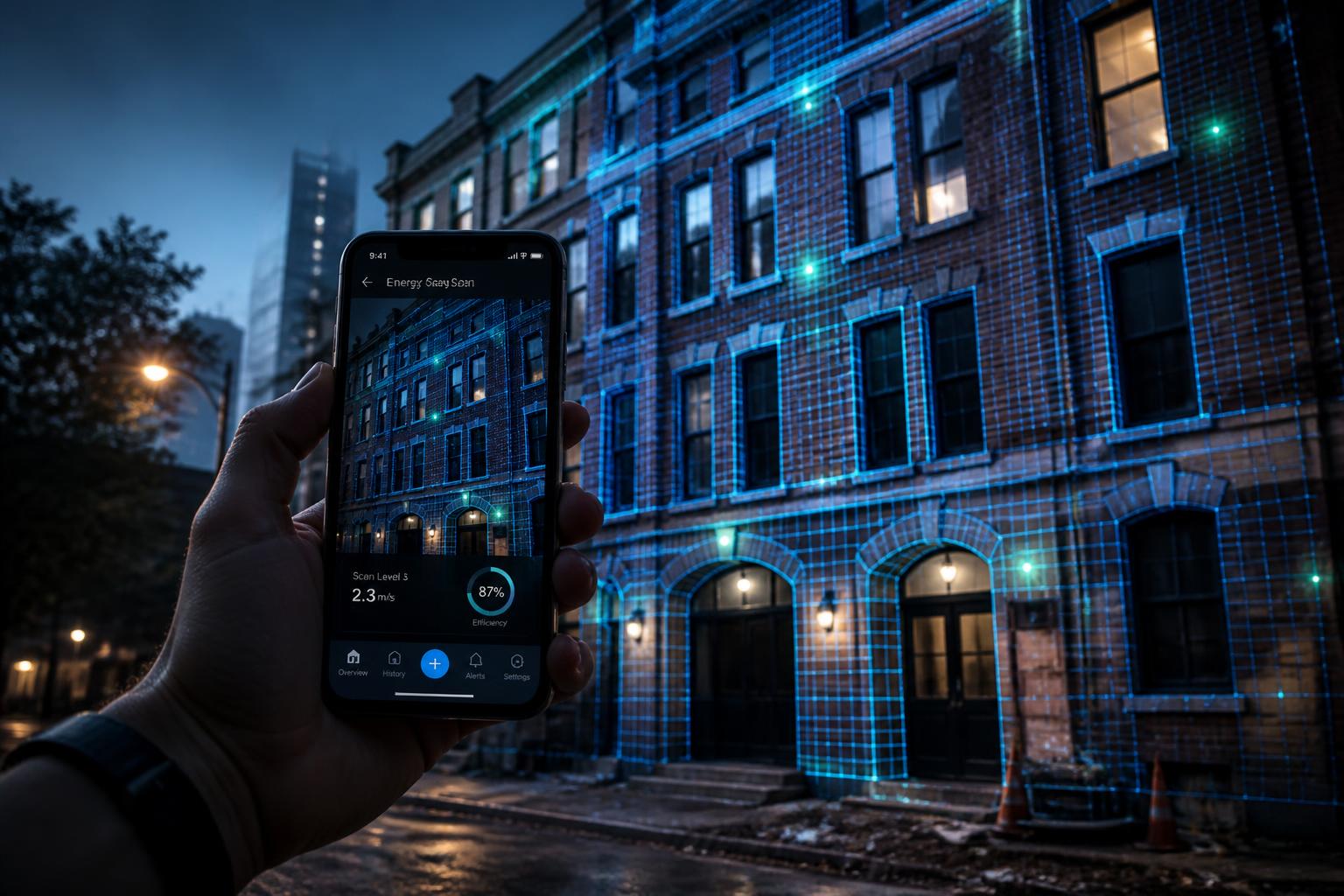
During its stealth-development period, Amporah followed the progress of the retrofit sector and the evidence emerging from leading programmes. We have diligently curated an approach that connects building efficiency, healthy air, intelligent power and a lasting digital record.
Breathe is now ready to bring that approach to homeowners, landlords, housing providers, councils and commercial estates, with suitable land generation considered as part of the wider energy opportunity.
Explore Breathe for organisationsEvidence boundary
The reported EPC outcomes and monitoring programme above come from the published university test-house case study. The comparison is Breathe’s interpretation of how established practice can evolve. Any financial result shown by Breathe is a modelled planning estimate based on the information available, not an offer, guarantee or audited outcome.
Supplier-stated capabilities require project validation. Measured results only become measured after suitable equipment is installed and monitored. Commercial systems, finance structures and delivery terms remain subject to technical survey, design and agreement.
Supplier-stated technology
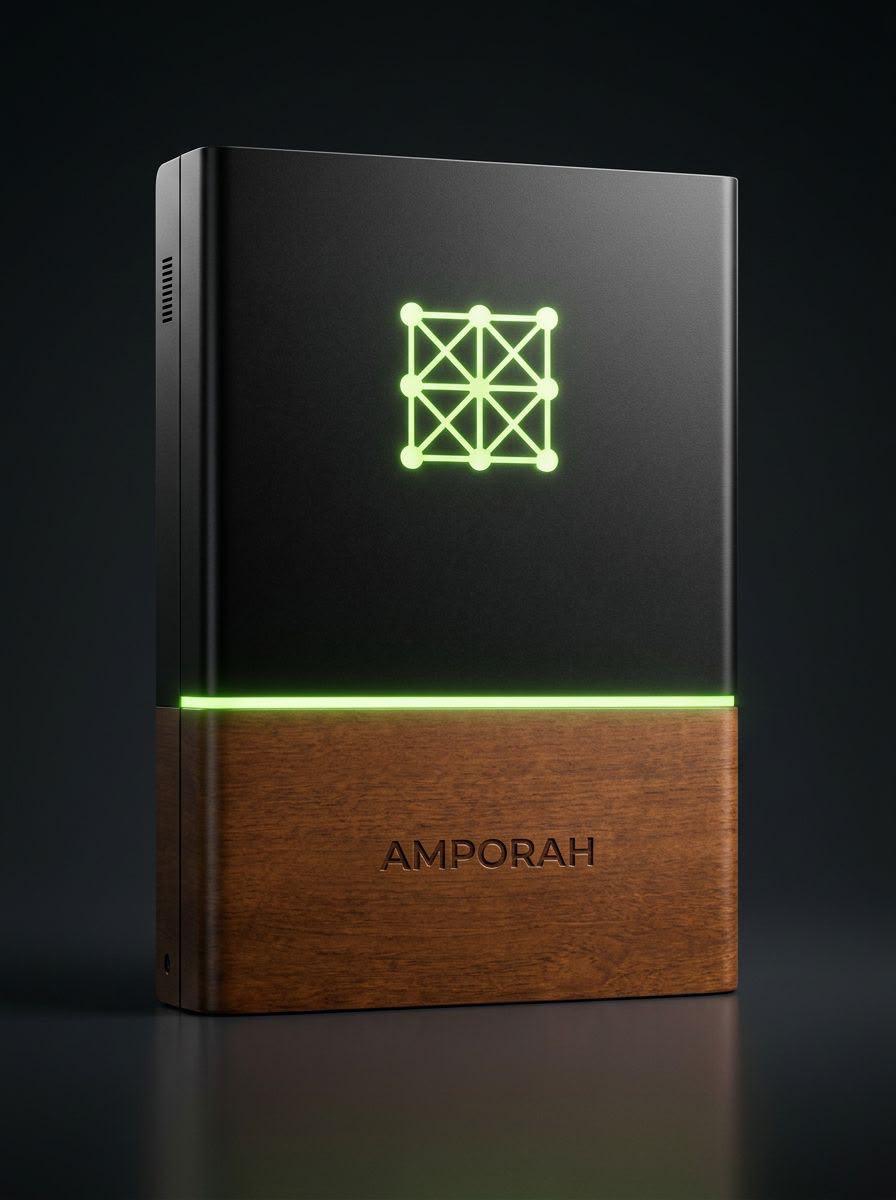
Gateway Pro is presented as the coordination layer. Its suitability and value are assessed for each building, never assumed.